
Running his own surf school gave a problem he wanted to solve: too much time spent on the admin behind a great day in the water. Through Swellbase, he’s building the tools he wanted at Blue Coast Surf & Paddle, shaped by conversations with fellow operators and the realities of running an outdoor business.
“I don’t think surf school owners should be doing admin at all.”
It’s an ambitious starting point for a software business, but for Adam El it comes from years spent doing the work himself.
Before launching Swellbase, Adam instructed in Scotland and Fuerteventura, ran a small surf photography business and worked as a web developer. In 2021, he opened Blue Coast Surf & Paddle in Cullen, on Scotland’s Moray coast.
Building the school also meant building the systems that would eventually allow him to step back. Blue Coast still operates with a team of instructors, while Adam focuses on helping other outdoor businesses free up their own time.
“It’s felt more like a ladder than a turning point,” he says. “Each step built on the one before: instructing, then running operations, then running my own school, then building the tools to make it run itself.”
Solve a problem you understand
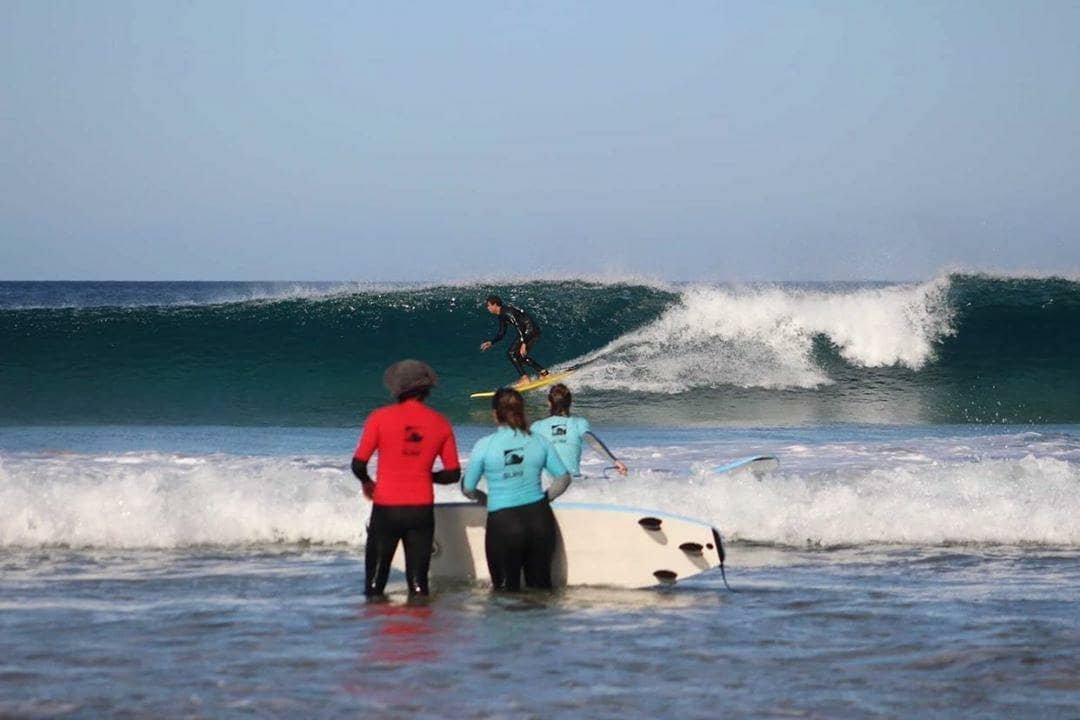
At Blue Coast, Adam was using FareHarbor but kept encountering problems it couldn’t solve for his business. His first response was to build Flask, a tool that integrated with the booking platform.
That work helped clarify what he wanted to create. The opportunity was to bring the daily admin into the same place as the bookings, giving operators a more joined-up way to run their businesses, and opening the door for AI to take on real admin roles inside businesses with access to all the needed tools and context.
Before developing the first version of Swellbase, he interviewed more than 40 operators and schools. Those conversations shaped the product roadmap and brought in its initial customers.
Asked what he would do differently, his answer is straightforward:
“I’d have spoken to 40 more operators before building!”
For Adam, those conversations were valuable both for understanding what to build and for building an engaged group of early customers.
His advice follows the same principle: talk to customers before building anything, and keep their goals in view as the business develops.
An operator first
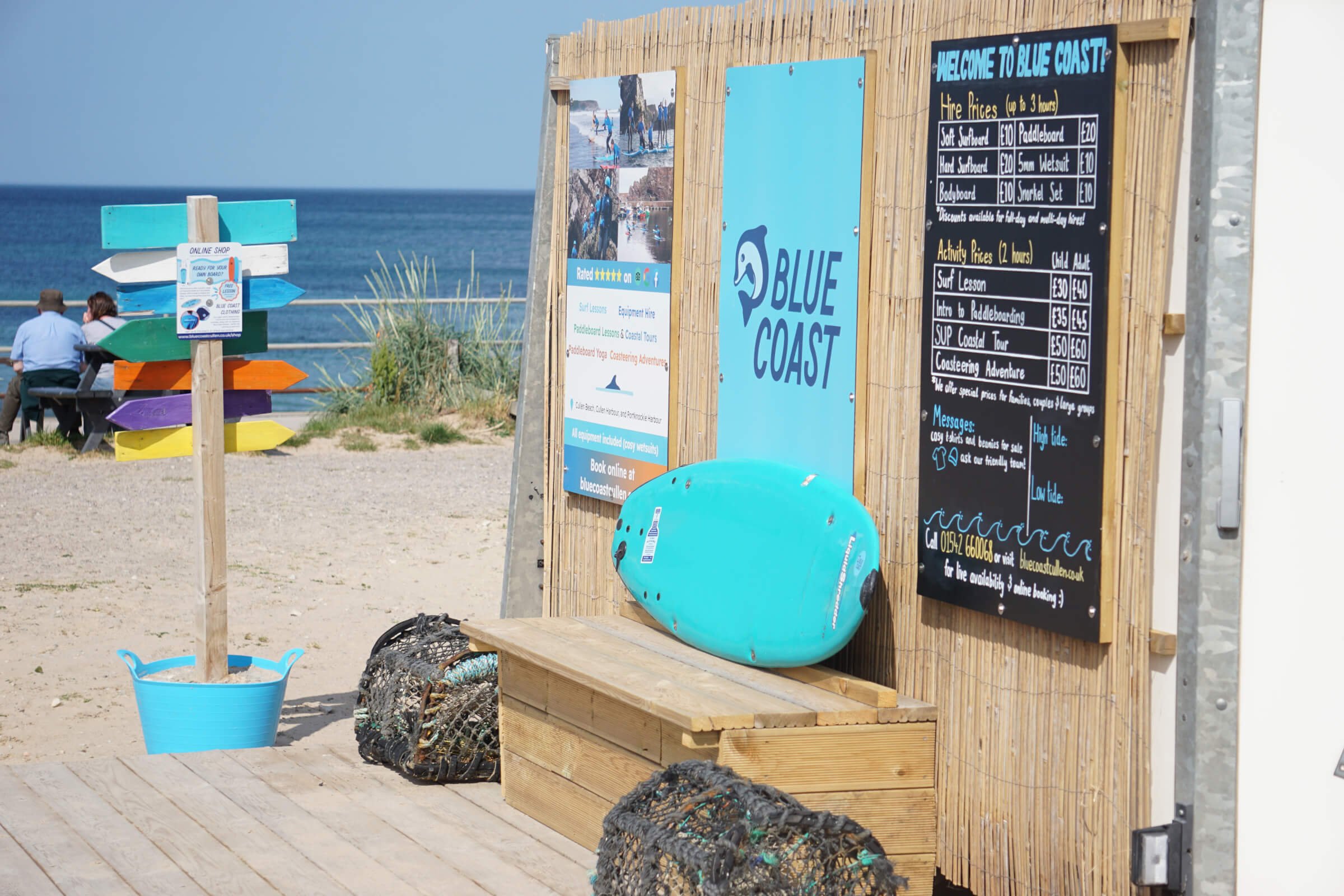
Swellbase launched publicly in April 2026. At the time of this interview, Swellbase has 26 operators live across the UK and Canada, with the business also getting started in Australia through Dee Why Salty Surf School in Sydney.
Its customers include surf schools, paddlesport centres, sailing schools, bike hire operations, and multi-activity providers. The common thread is an owner-operator juggling bookings, instructors and scheduling, often after outgrowing a more generic booking tool that didn’t handle the operational side of the business.
Blue Coast was Swellbase’s first customer and remains its testing ground, running on Swellbase with Adam’s team.
That experience has also shaped how he sells. Founder-led outreach is one of his strongest channels, and leading with the fact that he runs a surf school has worked better than expected.
“When I reach out as someone who runs a surf school and has the same headaches, conversations open up in a way a sales pitch never would.”
From there, Adam talks through the operator’s challenges and goals, then demonstrates what their own business would look like running in Swellbase. His understanding of the work gives those conversations a practical starting point.
It connects with another lesson he shares: your own experience is often your unfair advantage.
Make the change easier
Understanding the problem is only part of winning a customer. Adam has found that the prospect of switching systems can be the biggest concern for an operator.
Bookings, customer records, products and vouchers are already sitting in an existing platform. Moving them is a job in itself, and owners already short on time need a workable way through it.
Making that transition hassle-free is a major value add for Swellbase. The team has developed migration processes to bring those records across from platforms including FareHarbor, Rezdy and Checkfront, and every new customer gets white-glove onboarding, set up around how they actually run their business.
For another business owner, there’s a useful question here: what work does a customer have to do before they can benefit from what you offer? Helping with that work may be an important part of the offer itself.
Test the plan, then double down or pivot
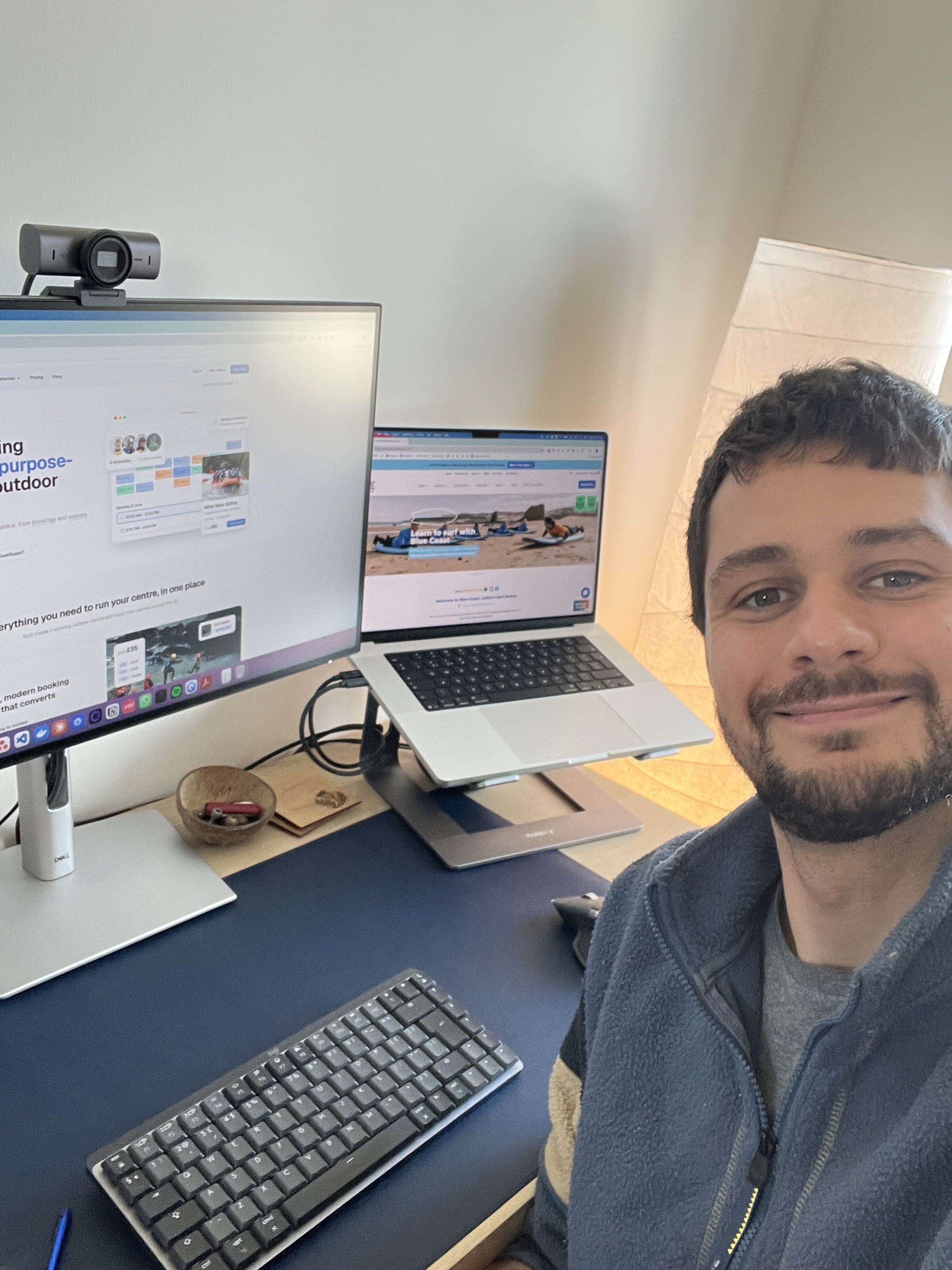
Swellbase is still a small team. The business has brought on its first sales hires, and is currently interviewing for its first engineering hire.
For Adam, finding the right people and deciding where to spend his own time remain two of his biggest challenges.
An early plan to build outbound sales capacity gave him a clearer view of both. Despite the planning involved, Adam found that, with the outreach approach he’d been using, new sales hires would take longer than expected to become productive, and concluded that his time was better spent selling personally and delegating other parts of his role to make room for it. The roles adapted and demo bookings rose steeply going into November.
“I think the most important thing in business is to quickly test things, recognise when things aren’t working, and pivot, as opposed to the thrashing we can all often end up doing.”
He protects focused build time and batches sales calls. AI is embedded across the team’s internal processes, which he sees as an important reason a small business can compete with much larger companies.
Customer issues get particular attention: the team fixes them the same day.
“In this industry, a booking problem in July is a real business losing money, so responsiveness matters more than almost anything else.”
A conversation that reached Australia
One recent win began with a post in the Surfpreneurs community.
José at Hightide mentioned Swellbase, and Dan from Dee Why Salty Surf School found the business through that recommendation. The Sydney school subsequently migrated from Rezdy and became Swellbase’s first Australian customer.
For Adam, it’s a concrete example of the value of being connected to other operators. Referrals are growing, and he finds that operators place more trust in one another than in advertising.
The value of community goes beyond introductions, too. Comparing notes with people facing similar problems helps shape the product, while a support network of mentors and peers helps him work through deciding where to focus his time.
Alongside Surfpreneurs, Scotland’s Techscaler / CodeBase community has been an important source of support.
Building towards balance

Blue Coast gave Adam freedom over his time and an off-season to enjoy. Swellbase has brought a different pace.
“Honestly, this year has been more business than balance. Swellbase has been growing fast and it’s exciting to be on this journey.”
He expects the next couple of years to be intense, but his version of an ideal day still leaves room for life around the work: coffee, a stretch, code review, calls with operators, a sunset surf, a sauna, and ideally then a massive lasagne, tiramisu, and family time.
Next comes building the team, growing in Australia and onboarding more operators ahead of the 2027 season in the UK. The aim remains rooted in his experience at Blue Coast: give owners more time for great experiences, the water and the ideas that move their businesses forward.
“We’ve got operators running their school from WhatsApp now, sending voice notes to our AI centre manager Bodhi who can take action on their behalf. We’re still just scratching the surface, but I’m very excited about where this is heading.”
Connect with Adam

Adam is keen to connect with surf and outdoor operators in the UK, Europe, Australia and New Zealand, whether to discuss booking systems or simply compare notes on running a business.
“Happy to be a sounding board and offer an opinion wherever helpful, ping me a message!”
Explore Swellbase and Blue Coast Surf & Paddle, or find Adam on Instagram at @adam.elng.
What’s the recurring admin job you’d most like to get off your plate, and what would you do with that time instead? Share in the comments.